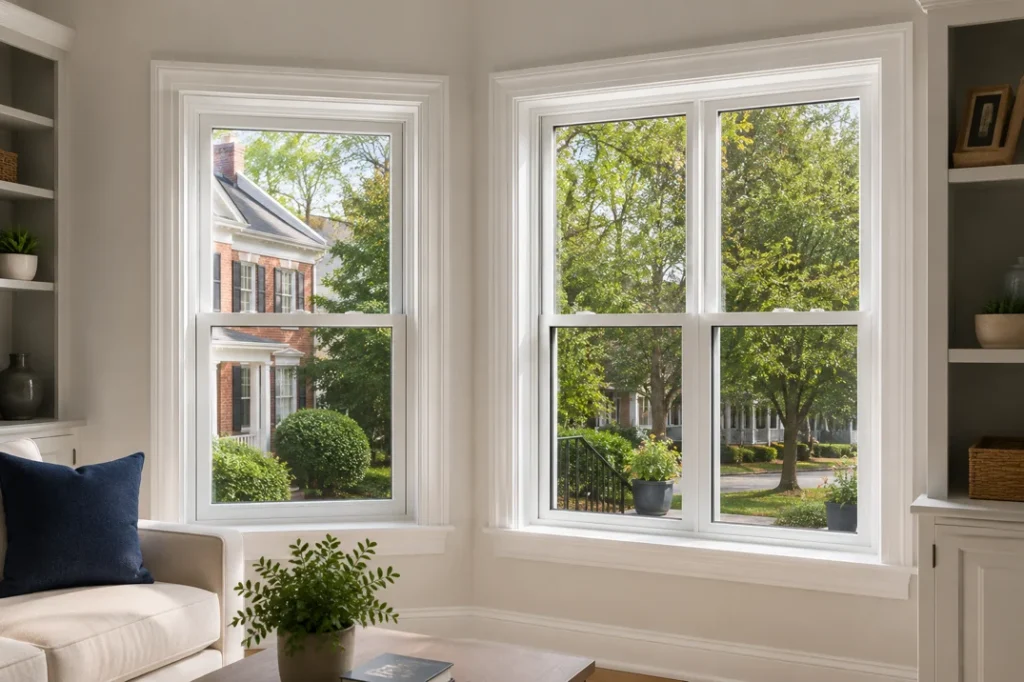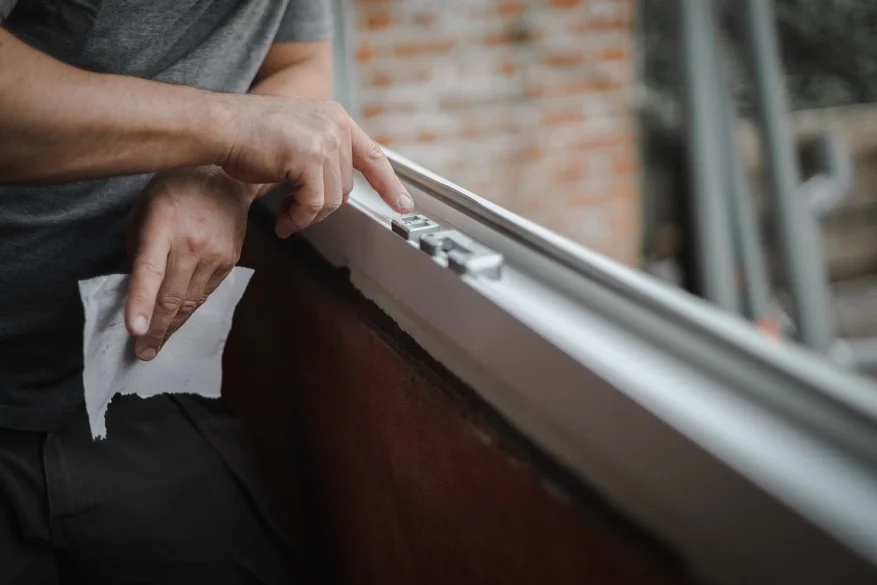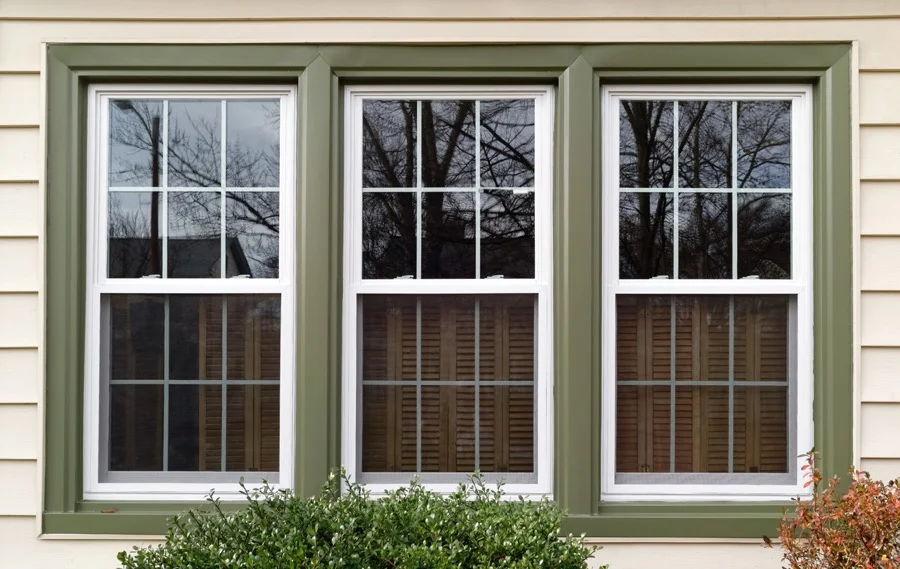
Choosing new windows involves more than finding a style that complements your home. The frame material can affect energy efficiency, maintenance, durability, appearance, and the total cost of your window replacement project. For many Virginia homeowners, the decision comes down to vinyl vs. fiberglass windows.
Both materials offer advantages over older, poorly insulated windows. Vinyl is known for its affordability and low-maintenance construction, while fiberglass delivers exceptional strength, stability, and design flexibility. The better choice depends on your budget, home style, performance expectations, and how long you plan to remain in the property.
Commonwealth Construction & Remodelinghelps Virginia homeowners compare window options and choose products that fit their homes and long-term remodeling goals.
What Are Vinyl Windows?
Vinyl window frames are made primarily from polyvinyl chloride, commonly called PVC. The material is designed to resist moisture, insects, and decay without requiring the regular painting or staining associated with traditional wood windows.
Vinyl windows are available in common styles such as double-hung, casement, sliding, picture, awning, and bay windows. Manufacturers offer them in various efficiency levels, ranging from basic models to premium windows with reinforced frames, insulated chambers, Low-E glass, and upgraded weatherstripping.
Because vinyl is relatively affordable to produce, it is often one of the most budget-friendly replacement window materials. It is popular among homeowners who want to improve energy efficiency and reduce maintenance without making the larger investment required for fiberglass or wood windows.
What Are Fiberglass Windows?
Fiberglass window frames are made from glass fibers embedded in a resin material. The resulting frame is rigid, durable, and highly resistant to seasonal expansion and contraction.
Fiberglass has a strength-to-weight ratio that allows manufacturers to create slimmer frames while maintaining structural stability. A thinner frame can provide a larger glass area, bringing more natural light into the room and offering a less obstructed view.
Unlike most vinyl windows, many fiberglass windows can be painted. They are also available with interior wood finishes, giving homeowners the warmth of wood indoors with the durability of fiberglass on the exterior.
Vinyl vs. Fiberglass Windows Comparison
The following chart provides an overview of how vinyl and fiberglass windows compare. Individual results will depend on the manufacturer, product line, glass package, installation quality, and conditions around the home.
| Feature | Vinyl Windows | Fiberglass Windows |
| Initial cost | Generally more affordable | Typically more expensive |
| Energy efficiency | Very good with quality construction | Excellent thermal stability |
| Durability | Good, but quality varies | Excellent strength and longevity |
| Maintenance | Minimal | Minimal |
| Paintability | Usually cannot be painted | Can often be painted |
| Frame appearance | Frames may be thicker | Slimmer frame profiles are possible |
| Moisture resistance | Excellent | Excellent |
| Expansion and contraction | More movement in temperature changes | Very little movement |
| Style options | Wide range of standard choices | More premium and customizable choices |
| Expected lifespan | Approximately 20–30 years | Approximately 30–50 years or longer |
| Best for | Value-focused window replacements | Long-term performance and design flexibility |
Which Window Material Is More Affordable?
Vinyl windows are usually more affordable than fiberglass windows. The exact price difference depends on window size, style, brand, glass, hardware, installation requirements, and customization.
For homeowners replacing every window in a house, choosing vinyl can significantly reduce the project’s initial cost. This makes it an attractive option for first-time homeowners, rental properties, budget-conscious renovations, and homes that need several windows replaced at once.
Fiberglass costs more because of the material’s strength and manufacturing process. However, the higher initial price may provide value through a longer lifespan, greater stability, and more design options. Homeowners who plan to stay in their homes for many years may decide that fiberglass is worth the investment.
Commonwealth can help you compare the total project costs rather than focusing only on the price of each window.
Which Is More Energy-Efficient?
Both vinyl and fiberglass windows can provide excellent energy efficiency when they are properly manufactured and installed. A window’s performance also depends on the number of glass panes, Low-E coatings, insulated gas fills, spacers, seals, and weatherstripping.
Vinyl is naturally resistant to heat transfer. Many frames also contain insulated chambers that improve their thermal performance. A quality vinyl window with double-pane Low-E glass can be an effective choice for Virginia’s humid summers and chilly winters.
Fiberglass is also an efficient material. One of its most significant advantages is dimensional stability. It expands and contracts very little when temperatures change, which can help maintain tight seals over time.
Fiberglass may have an advantage in long-term stability, but a premium vinyl window can outperform a basic fiberglass product. Homeowners should compare the complete window’s energy ratings instead of assuming that the frame material tells the entire story.
Which Material Handles Virginia Weather Better?
Virginia homes experience hot summers, humidity, rain, winter cold, and frequent temperature changes. Coastal communities may also encounter salt air, strong winds, and severe storms.
Both vinyl and fiberglass resist moisture better than untreated wood. They do not rot, and they are not attractive to insects. This makes either material appropriate for many Virginia homes.
Fiberglass is less likely to soften, warp, or change shape in extreme temperatures. It can be particularly beneficial for large window openings, homes with substantial sun exposure, and homeowners seeking maximum structural stability.
Vinyl can also perform reliably in Virginia when the window is a quality product and installed correctly. Reinforced frames and strong welded corners can improve durability. Lower-quality vinyl windows may be more vulnerable to warping, seal problems, or discoloration, so careful product selection matters.
Which Windows Require Less Maintenance?
Vinyl and fiberglass windows are both low-maintenance options. Neither material requires the routine scraping and refinishing commonly associated with wood frames.
Vinyl windows generally need only periodic cleaning with mild soap and water. The color is incorporated into the material, so scratches may be less noticeable than they would be on a painted surface. However, most vinyl frames cannot be easily repainted if a homeowner wants to change the color later.
Fiberglass windows are also easy to clean and maintain. Their finish may eventually need attention, particularly if the windows are painted, but homeowners can usually repaint them. This flexibility allows fiberglass windows to adapt more easily to future exterior or interior design changes.
Which Option Offers Better Style and Customization?
Vinyl windows are available in numerous styles, sizes, grid patterns, and neutral colors. They work well with many ranch, Colonial, townhouse, and suburban home designs found throughout Virginia.
However, vinyl frames may be thicker than fiberglass frames because more material is needed to provide structural strength. Color selections can also be limited, especially among entry-level product lines.
Fiberglass windows can provide slimmer profiles and larger areas of glass. Homeowners may also have more options for custom colors and wood-look interiors. These qualities make fiberglass attractive for historic renovations, contemporary homes, custom remodeling projects, and properties where architectural details are a priority.
Homeowners should consider how new windows will look from both inside and outside. Frame proportions, grid patterns, trim, hardware, and glass area all influence the completed design.
How Long Do Vinyl and Fiberglass Windows Last?
Quality vinyl windows commonly last around 20 to 30 years, although some may last longer with professional installation and proper care. Product quality, sun exposure, weather conditions, and maintenance can all affect their lifespan.
Fiberglass windows may last 30 to 50 years or longer. Their strength and resistance to expansion, contraction, warping, and cracking make them a strong long-term choice.
These lifespan estimates are not guarantees. Improperly installed windows of either material can develop water infiltration, drafts, damaged seals, and operational problems. Correct flashing, insulation, leveling, fastening, and exterior sealing are essential for protecting the windows and the surrounding structure.
Should You Choose Vinyl or Fiberglass Windows?
Vinyl is often the right choice for homeowners who prioritize affordability, efficiency, and easy maintenance. It is especially practical for large-scale replacement projects where controlling the overall budget is important.
Fiberglass may be better for homeowners who want maximum durability, slimmer frames, paintable finishes, and long-term dimensional stability. Its higher initial cost can make sense for a long-term residence or a remodeling project that emphasizes premium materials.
There is no single answer for every Virginia home. Window location, sun exposure, architectural style, opening size, and budget should all influence the final decision.
Plan Your Window Replacement With Commonwealth
The quality of the installation is just as important as the material you choose. Incorrectly sized or poorly sealed windows can allow air and water infiltration, even when the windows themselves are well made.
Commonwealth helps Virginia homeowners evaluate their existing windows, compare materials, and plan replacement projects around their needs. We consider the home’s architecture, energy-efficiency goals, exposure to the weather, and desired appearance before recommending a solution.
If you are deciding between vinyl and fiberglass windows, contact Commonwealth. Our team can help you select replacement windows that improve your home’s comfort, appearance, and performance for years to come.