Replacing old windows can improve your home’s comfort, appearance, energy efficiency, and overall value. However, choosing the best replacement windows for a Virginia home requires more than selecting a style that looks attractive. Homeowners must also consider the state’s humid summers, cold winters, coastal storms, temperature fluctuations, and architectural diversity.
The right windows should complement your home while helping control drafts, moisture, heat transfer, and outside noise. At Commonwealth Construction & Remodeling, we help Virginia homeowners evaluate their options and select replacement windows that fit their homes, budgets, and long-term goals.
What Should Virginia Homeowners Look for in Replacement Windows?
Virginia experiences four distinct seasons. A window that performs well during a hot, humid August must also provide reliable insulation when winter temperatures fall. For this reason, energy performance should be one of the most important considerations when comparing replacement windows.
Look for windows with insulated glass, durable frames, quality weatherstripping, and strong seals. Low-emissivity, or Low-E, glass can reduce unwanted heat transfer while allowing natural light into the home. Argon or krypton gas between the glass panes may provide additional insulation.
Homeowners should also consider maintenance requirements. Virginia’s humidity and precipitation can affect certain window materials over time, especially if they are not properly installed or maintained. The best window is one that balances energy efficiency, appearance, durability, and cost.
Double-Hung Windows Are a Versatile Choice
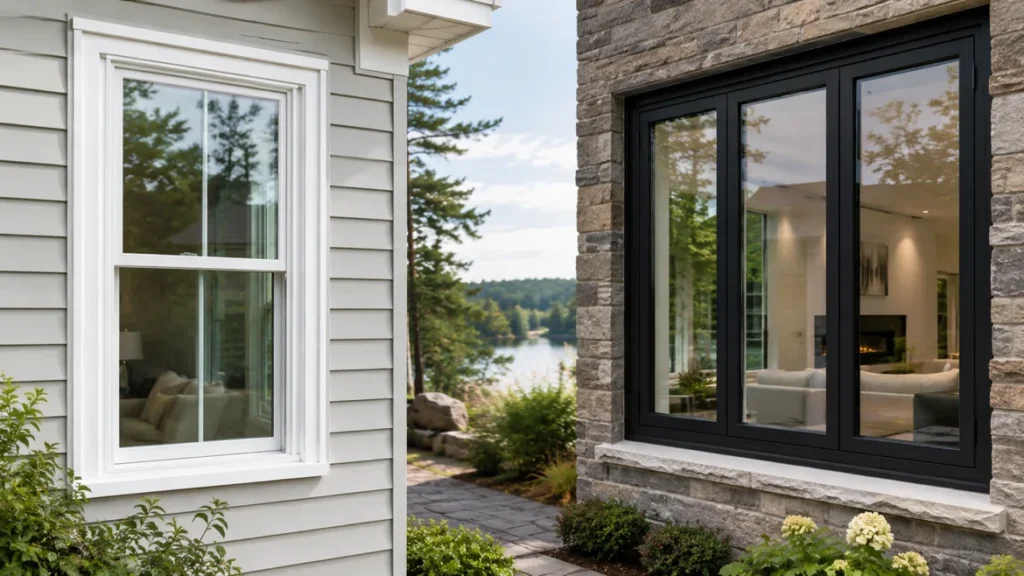
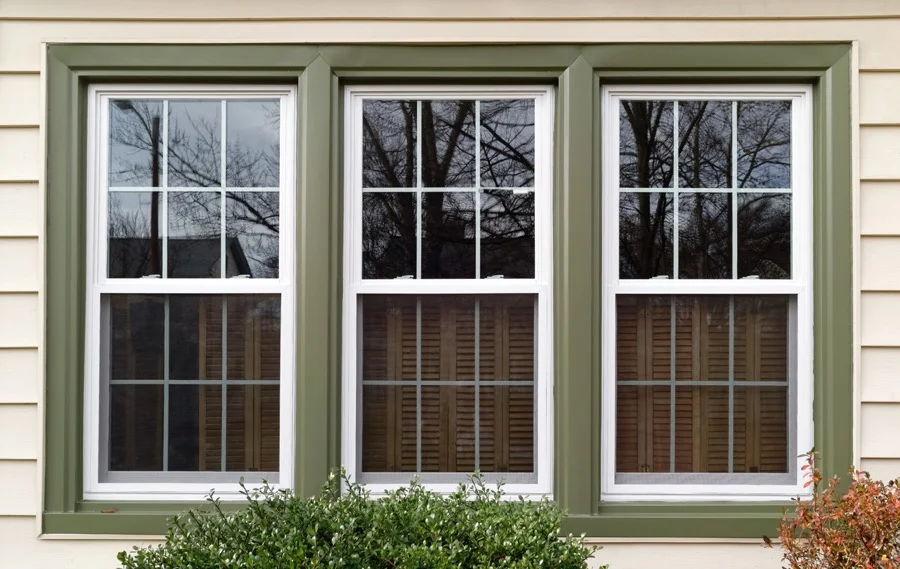
Double-hung windows are among the most popular replacement windows for Virginia homes. They have two operable sashes, allowing homeowners to open the window from the top or bottom. This design provides ventilation while maintaining a traditional appearance.
Double-hung windows work particularly well with Colonial, Cape Cod, farmhouse, and traditional homes found throughout Virginia. Many newer double-hung models include tilt-in sashes, making it easier to clean the exterior glass from inside the home. This feature is especially convenient for windows on upper floors.
Because double-hung windows are so widely available, homeowners can choose from numerous frame materials, glass packages, colors, grid patterns, and hardware finishes. When properly installed, they offer an effective combination of style, ventilation, and energy efficiency.
Casement Windows Offer Excellent Energy Efficiency
Casement windows are hinged on one side and open outward using a crank. When closed, the sash presses tightly against the frame, producing a strong seal. This construction can make casement windows one of the most energy-efficient operable window options.
Casement windows are an excellent choice for areas where Virginia homeowners want maximum ventilation. Because the open sash can catch passing breezes and direct them into the room, these windows work well in kitchens, bedrooms, and living areas.
They are also helpful in locations that are difficult to reach, such as above a kitchen sink. Instead of lifting a sash, the homeowner can operate the window using a handle. Casement windows generally have fewer frame divisions than double-hung models, providing a clearer outdoor view.
Picture Windows Maximize Natural Light
Picture windows are large, fixed windows that do not open. Their simple construction provides an expansive view while reducing the number of moving components through which air could potentially escape.
These windows are ideal for Virginia homes overlooking wooded lots, mountain scenery, landscaped yards, or waterfront areas. They allow considerable natural light into a room and can help make an interior feel more open.
Because picture windows do not provide ventilation, they are often paired with double-hung or casement windows. This arrangement gives homeowners the visual benefits of a large window while preserving airflow. Picture windows can be especially effective in living rooms, dining rooms, stairwells, and spaces with vaulted ceilings.
Sliding Windows Work Well in Contemporary Homes
Sliding windows open horizontally along a track. Their streamlined design works well with ranch-style, modern, and contemporary Virginia homes. They are commonly installed in rooms with wide wall openings where a traditional vertical window may feel undersized.
Sliding windows are relatively easy to operate and can provide broad outdoor views. Because they do not swing inward or outward, they are useful near patios, walkways, decks, and other locations where space may be limited.
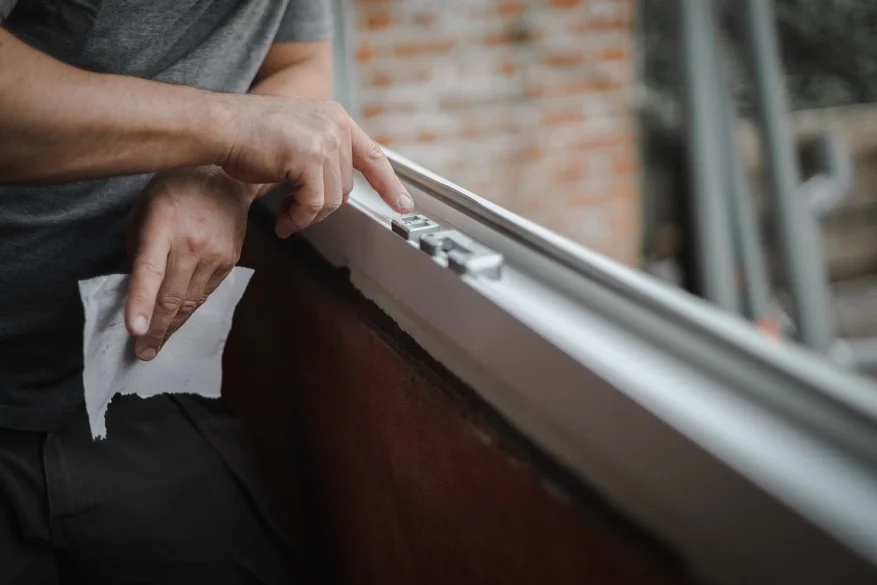
Homeowners considering sliding windows should pay close attention to the quality of the track, rollers, locks, and weatherstripping. Professional installation is essential for ensuring the window remains level, operates smoothly, and provides a dependable seal.
Fiberglass Windows Provide Long-Term Durability
Fiberglass is an increasingly popular material for replacement window frames. It is strong, durable, and resistant to warping, swelling, and rotting. These characteristics can make fiberglass well suited for Virginia’s changing temperatures and humid weather.
Because fiberglass expands and contracts at a rate similar to glass, it can maintain stable seals throughout seasonal temperature changes. It can also be manufactured with narrow frames, allowing more glass and natural light within the opening.
Fiberglass windows often cost more upfront than standard vinyl windows. However, their strength, energy efficiency, and long lifespan may make them a worthwhile investment for homeowners planning to remain in their homes for many years.
Vinyl Windows Deliver Value and Low Maintenance
Vinyl windows are one of the most common choices for replacement projects because they are affordable, energy-efficient, and easy to maintain. Unlike wood, vinyl does not require regular scraping, staining, or painting.
Quality is important when choosing vinyl windows. Reinforced frames, welded corners, insulated chambers, and reliable locking systems can improve performance and durability. Homeowners should avoid making a decision based exclusively on the lowest purchase price, as window construction and installation quality can substantially affect the final results.
Vinyl windows are available in many styles and colors, although customization options may be more limited than with wood. They are particularly practical for homeowners who want improved efficiency without extensive ongoing maintenance.
Wood Windows Complement Historic Virginia Homes
Wood windows provide a warm, traditional appearance that can be difficult to duplicate with other materials. They are especially appropriate for historic residences and architecturally significant homes throughout Virginia.
Homeowners can paint or stain wood windows to complement interior trim and exterior finishes. Wood is also a natural insulator, which can contribute to good thermal performance when the windows are properly constructed and maintained.
The primary disadvantage is maintenance. Exposure to moisture can cause untreated or poorly maintained wood to peel, swell, or rot. Clad-wood windows can offer a practical compromise. These windows feature wood on the interior and a protective aluminum, vinyl, or fiberglass covering on the exterior.
Before replacing windows on a historic property, homeowners should determine whether local design requirements or preservation guidelines apply. Commonwealth can help evaluate replacement options that support better performance without ignoring the home’s original character.
Low-E Glass Helps Control Heat Transfer
The type of glass used in a replacement window can be just as important as the frame material. Low-E coatings are microscopically thin layers applied to the glass to help control infrared and ultraviolet energy.
During the summer, Low-E glass can reduce the amount of exterior heat entering the home. During colder weather, it can help retain indoor warmth. It may also reduce ultraviolet exposure that contributes to fading on flooring, furniture, artwork, and window treatments.
Different Low-E coatings are designed for different climates and performance goals. The best option for a Virginia home may depend on the window’s orientation, surrounding shade, and the amount of direct sunlight it receives.
Double-Pane Windows Are Suitable for Most Virginia Homes
Most Virginia homeowners will benefit from double-pane replacement windows. These windows contain two sheets of glass separated by an insulated space. The space may be filled with argon gas to improve thermal performance.
Double-pane windows can reduce drafts, improve comfort, and limit outside noise compared with older single-pane windows. They provide an effective balance of efficiency and affordability for many homes.
Triple-pane windows provide another layer of glass and insulation. They may be beneficial for homeowners seeking maximum efficiency or noise reduction, but their higher cost is not necessary for every Virginia property. Commonwealth can help homeowners compare the expected benefits with the additional investment.
Coastal Virginia Homes May Need Impact-Resistant Windows
Homes near Virginia’s coastline may face strong winds, wind-driven rain, salt exposure, and severe storms. In these areas, homeowners should consider windows designed for coastal conditions.
Impact-resistant windows typically contain laminated glass that is designed to remain together when struck. The glass may crack, but the inner layer helps keep fragments in place. Coastal homeowners should also evaluate frame strength, corrosion-resistant hardware, water resistance, and applicable local building requirements.
Impact-resistant windows do not eliminate every storm-related risk, but they can provide added protection and may reduce the need for separate storm panels. The appropriate specifications will depend on the home’s location and exposure.
Window Style Should Match the Home’s Architecture
Virginia includes everything from historic townhouses and brick Colonials to Craftsman homes, waterfront cottages, suburban ranches, and modern residences. Replacement windows should support the architecture instead of looking disconnected from it.
Grid patterns, frame proportions, exterior colors, trim details, and window placement all influence the final appearance. For example, traditional divided-light patterns may complement a Colonial home, while larger panes with minimal grids may suit a modern design.
Changing a window’s style can also affect the interior. Homeowners should consider furniture placement, ventilation, natural light, privacy, and how easily each window can be opened and cleaned.
Professional Installation Is Essential
Even a high-quality replacement window may perform poorly if it is installed incorrectly. Gaps around the frame, insufficient flashing, inadequate insulation, or incorrect sizing can result in drafts, leaks, condensation, and premature damage.
Professional installation begins with a careful evaluation of the existing opening. The contractor should inspect for rot, water damage, structural concerns, and other conditions that need to be corrected before the new window is installed.
The window must then be positioned, secured, insulated, flashed, sealed, and finished correctly. This is especially important in Virginia, where heavy rain and humidity can expose weaknesses around an improperly installed opening.
When Should You Replace Your Windows?
Replacement may be worthwhile if your windows are difficult to open, allow noticeable drafts, show condensation between the glass panes, or have deteriorating frames. Rising heating and cooling costs may also indicate that older windows are no longer performing efficiently.
Water stains, soft wood, peeling finishes, cracked glass, and damaged seals should not be ignored. In some cases, a window can be repaired. In others, replacement provides a more reliable long-term solution.
Homeowners may also replace windows during a larger remodeling project. Coordinating the work with new siding, interior renovations, or exterior improvements can create a more consistent appearance and reduce duplicated labor.
Choose Commonwealth for Window Replacement
The best replacement windows for your Virginia home will depend on its architecture, location, condition, and energy-efficiency needs. Vinyl windows offer affordability and easy maintenance, fiberglass provides exceptional strength, and wood delivers timeless character. The right glass package and professional installation can further improve comfort and long-term performance.
Commonwealth works with Virginia homeowners to create practical, attractive improvements tailored to their properties. We can evaluate your current windows, explain suitable materials and styles, and complete the installation with attention to the surrounding structure.
If your windows are drafty, damaged, outdated, or difficult to operate, contact Commonwealth to discuss your replacement window project. A thoughtful selection and proper installation can help make your Virginia home more comfortable, efficient, and beautiful throughout every season.