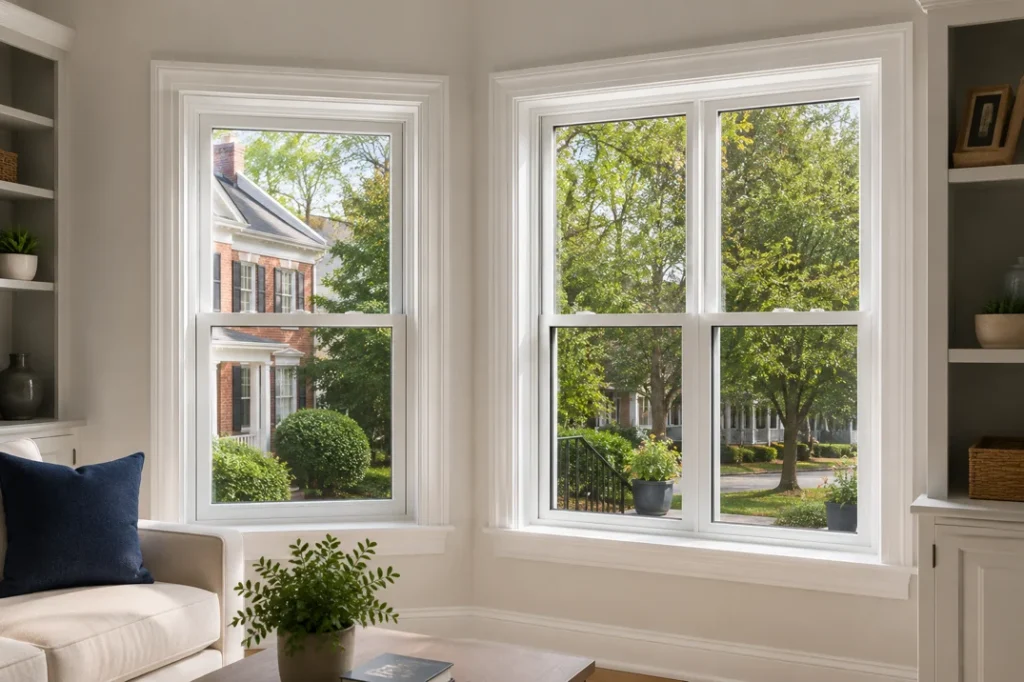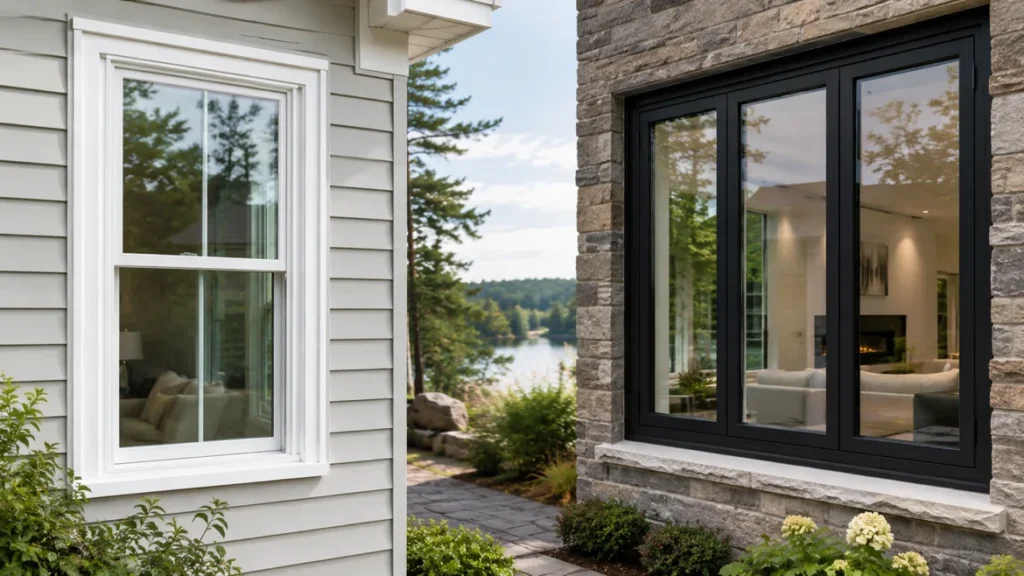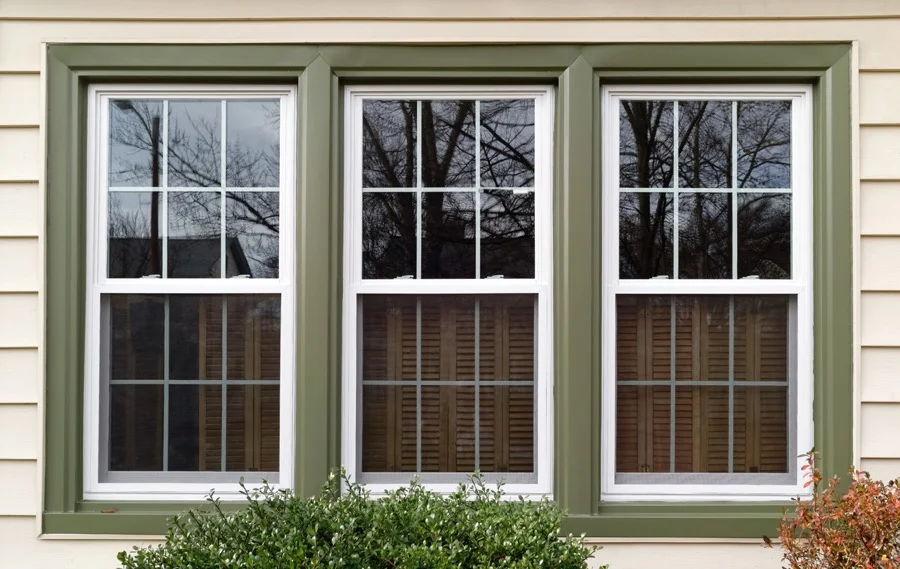
Windows play an important role in your home’s comfort, appearance, energy efficiency, and protection from the weather. When they are operating properly, windows allow natural light and fresh air into your home while keeping outdoor temperatures, moisture, and noise under control. As windows age, however, they can become less efficient and increasingly difficult to use.
Some window problems can be corrected with minor repairs, new weatherstripping, or updated hardware. Other issues indicate that the window has reached the end of its practical lifespan and should be replaced. Recognizing these warning signs can help you address problems before they lead to higher energy bills, water damage, or discomfort.
Commonwealth Construction & Remodelinghelps Virginia homeowners evaluate aging windows and determine whether repair or replacement is the right solution. Here are some of the most common signs that it may be time to invest in new windows.
Your Windows Are Difficult to Open or Close
A window should open and close smoothly without requiring excessive force. If your windows stick, jam, or refuse to remain open, their frames, hardware, or internal components may be damaged.
Wood window frames can swell when exposed to moisture and humidity. Vinyl frames may warp because of age, heat exposure, or poor installation. Dirt and debris can also collect inside window tracks and interfere with normal operation. In some cases, damaged balances, hinges, locks, or crank mechanisms may be responsible.
Occasional sticking may only require cleaning, lubrication, or a simple repair. However, widespread operational problems often indicate that the windows have deteriorated. Windows that cannot be opened may also create a safety concern, particularly in bedrooms where they could serve as an emergency exit.
You Feel Drafts Around the Window Frames
Feeling outside air around a closed window is one of the clearest signs that it is no longer properly sealed. Drafts can enter through gaps around the frame, worn weatherstripping, damaged seals, or window components that no longer fit together correctly.
During a Virginia winter, drafty windows can make nearby rooms feel noticeably colder. In the summer, hot and humid outdoor air may enter the home, making it harder for your air-conditioning system to maintain a comfortable temperature.
Caulk or weatherstripping may correct minor air leaks temporarily. If the frame is warped, the sash is damaged, or the window has multiple areas of air infiltration, replacement may provide a more dependable long-term solution.
Your Energy Bills Keep Increasing
Windows are not always the only reason for rising utility costs, but inefficient windows can contribute to energy loss. Older single-pane windows provide limited insulation compared with modern double-pane or triple-pane products. Damaged seals and gaps around the frames can further reduce efficiency.
When heated or cooled air escapes, your HVAC system must operate longer to maintain the desired indoor temperature. This additional work can increase your monthly energy costs and contribute to uneven comfort throughout the home.
New energy-efficient windows can include insulated frames, multiple panes of glass, Low-E coatings, warm-edge spacers, and argon or krypton gas between the panes. These features help control heat transfer and reduce the strain placed on the home’s heating and cooling systems.
You See Condensation Between the Glass Panes
Condensation on the room-facing surface of a window does not always mean the window needs to be replaced. It may be caused by high indoor humidity. Condensation or a foggy appearance between the panes, however, typically indicates a failed window seal.
Double-pane and triple-pane windows contain sealed glass units. When the seal fails, moisture can enter the space between the panes. The window may appear cloudy, foggy, or streaked, and the condensation cannot be wiped away from either side.
A failed seal reduces the window’s insulating ability. Depending on the window’s design and age, it may be possible to replace only the insulated glass unit. If several windows have failed seals or the frames are also deteriorated, full replacement may be more practical.
Your Windows Have Visible Frame Damage
Cracks, rot, soft wood, warping, and peeling finishes should not be ignored. Window frame damage can affect how the window operates and how well it protects the surrounding wall from moisture.
Wood frames are particularly vulnerable when paint or exterior finishes begin to fail. Water can penetrate exposed areas and cause the material to soften or decay. Over time, this damage may spread beyond the window and affect nearby trim, drywall, or framing.
Vinyl and fiberglass resist rot, but they can still crack or become damaged. A small isolated area may be repairable. Extensive deterioration, distorted frames, or repeated moisture problems often justify replacing the entire window.
You Notice Water Leaks Around Your Windows
Water near a window may result from failed caulk, damaged flashing, improper installation, clogged drainage channels, or problems with the roof and siding. Identifying the actual source is critical because installing a new window will not correct a leak caused by another part of the home.
Common warning signs include stains around the window, peeling paint, bubbling drywall, damp trim, musty odors, and visible mold. Homeowners may notice these issues after heavy rain or wind-driven storms.
Water infiltration should be addressed promptly. Continued exposure can damage insulation, framing, flooring, and interior finishes. Commonwealth can inspect the window opening and surrounding materials to determine what is allowing moisture to enter.
Outside Noise Has Become More Noticeable
Older windows may provide limited protection from traffic, construction, neighbors, lawn equipment, and other outdoor noise. Single-pane glass, loose sashes, and gaps around frames allow sound to travel into the home more easily.
New windows cannot make a room completely soundproof, but quality insulated glass and tighter seals can reduce noise transmission. Laminated glass, different glass thicknesses, and larger spaces between the panes may provide additional sound control.
If your home is located near a busy Virginia roadway, commercial district, airport, or active neighborhood, noise reduction may be an important reason to consider replacement windows.
Your Furniture and Flooring Are Fading
Sunlight can gradually fade hardwood floors, rugs, furniture, artwork, and window treatments. Older windows may allow a higher percentage of ultraviolet radiation to enter the home, accelerating this damage.
Many modern replacement windows are available with Low-E glass. This specialized coating helps control heat transfer and can reduce the amount of ultraviolet energy passing through the window. The glass still allows natural light into the room but offers added protection for interior materials.
Fading alone may not require an immediate replacement, but it is worth considering if you are already experiencing drafts, seal failure, or operational problems.
Your Home Has Single-Pane Windows
Single-pane windows were common in older homes, but they provide minimal insulation. Some may rely on separate storm windows to improve efficiency and weather protection.
If your Virginia home still has original single-pane windows, replacing them with modern insulated windows can improve comfort and reduce drafts. Double-pane windows contain two sheets of glass separated by an insulating space, which may be filled with argon gas. Low-E coatings can further improve their performance.
Historic homes require additional consideration. The replacement windows should complement the property’s original architecture, and some communities may have preservation requirements. Commonwealth can help homeowners explore options that balance appearance, efficiency, and local guidelines.
The Locks No Longer Work Properly
Window locks provide both security and a tighter seal. A damaged or misaligned lock can prevent the sash from closing completely, leaving a gap that allows air or moisture into the home.
Sometimes the lock itself can be replaced. However, recurring lock problems may indicate that the frame has shifted, warped, or deteriorated. If the window cannot close securely, it may make the home more vulnerable to break-ins and reduce its energy efficiency.
Windows that are painted shut or held closed with temporary hardware should also be evaluated. These solutions can interfere with ventilation and emergency access.
The Glass Is Cracked or Damaged
Cracked glass is a safety concern and can reduce the window’s energy performance. Even a small crack may spread as outdoor temperatures change or the window experiences additional stress.
The appropriate solution depends on the window. A single pane or insulated glass unit may sometimes be replaced without removing the entire frame. Full replacement may be more appropriate when the window is old, the frame is damaged, or the replacement glass would offer only a temporary improvement.
Repeated cracks may signal an underlying issue, such as frame movement or an improperly sized opening. A professional evaluation can identify the cause before new materials are installed.
Your Windows Look Outdated
Not every replacement project begins with physical damage. Old windows can make a home look dated, especially if the frames, grids, and colors no longer complement its exterior.
New windows can improve curb appeal and create a more consistent appearance throughout the property. Homeowners can choose from double-hung, casement, sliding, picture, bay, bow, and other window styles. Frame materials may include vinyl, fiberglass, wood, and clad wood.
Replacement can also be coordinated with a larger home improvement project. Installing new windows during a siding replacement or major renovation can help produce a cohesive design.
How Long Do Residential Windows Last?
A window’s lifespan depends on its material, construction quality, maintenance, installation, and exposure to the weather. Many windows last approximately 20 to 30 years, while premium fiberglass, wood, or clad products may remain functional longer.
Age alone does not determine whether a window needs to be replaced. A well-maintained window may continue performing effectively, while a newer window with poor installation may develop problems much sooner.
Virginia’s humidity, temperature fluctuations, storms, and strong sunlight can all influence window performance. Regular inspections can help homeowners detect failed seals, damaged caulk, water stains, and other warning signs early.
Should You Repair or Replace Your Windows?
Repair may make sense when the problem is isolated and the rest of the window remains in good condition. Examples include damaged hardware, minor weatherstripping issues, or one broken glass unit.
Replacement is more likely to be worthwhile when the frame is deteriorated, the window is difficult to operate, drafts are widespread, or condensation appears between the panes. Homeowners should also consider the window’s age, efficiency, appearance, and repair history.
The goal is not to replace a window unnecessarily. It is to choose the solution that offers reliable performance and protects the surrounding structure.
Replace Your Windows With Commonwealth
New windows can make your Virginia home more comfortable, attractive, secure, and energy-efficient. The best results begin with identifying the cause of the existing problems and selecting replacement products suited to the property.
Commonwealth helps homeowners evaluate damaged and aging windows, compare materials and styles, and plan professional installation. Our team considers your home’s architecture, budget, efficiency goals, and long-term needs before recommending a solution.
If you have noticed drafts, rising energy bills, foggy glass, water damage, or windows that are difficult to operate, contact Commonwealth. We can help you determine whether it is time for new windows and create a replacement plan designed for your Virginia home.